
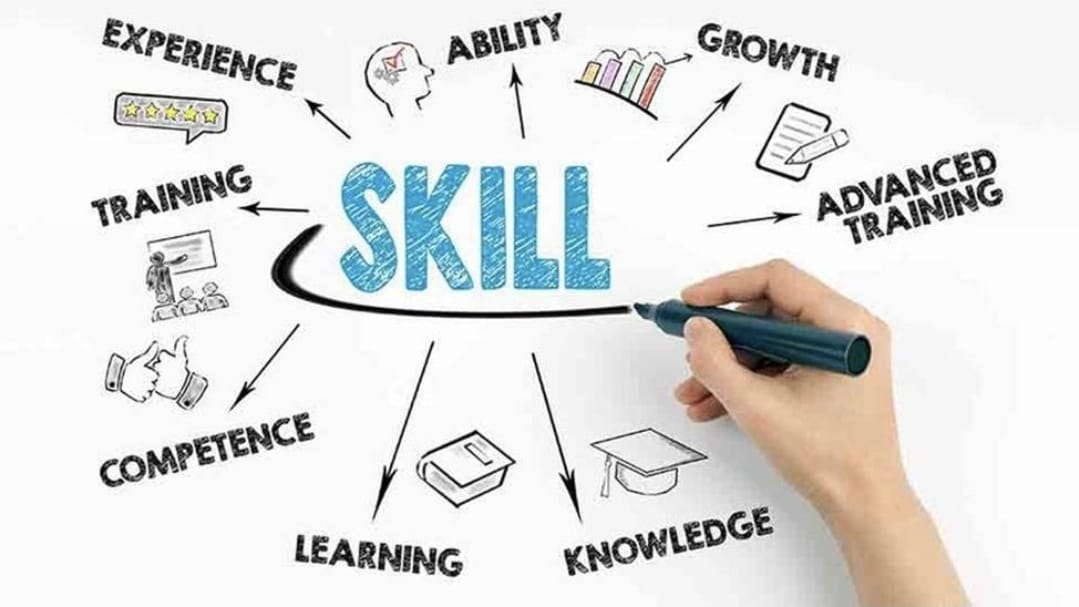
2026 is closer than it seems, and the job market is changing faster than most people realize.If you’ve ever wondered “What skills do companies actually want?” or “Why do some candidates get shortlisted while others don’t?”, you’re already asking the right questions.
Today, employers care less about degrees alone and more about skills, experience, and how well you apply what you know in real-world situations. A strong job application now depends on practical learning, smart preparation, and clear career direction.
This blog is your complete roadmap. Instead of chasing every trending course, you’ll learn what to focus on, how to learn it effectively, and how to turn those skills into real career opportunities in 2026.
Table of Contents
- Technology Skills That Employers Are Actively Hiring For
- High-Value Soft Skills That Can’t Be Automated
- Industry-Specific Skills With Strong Job Growth
- Skills That Help You Stand Out in Job Applications
- How to Choose the Right Skills for Your Career Path
- How to Learn Skills Faster and More Effectively in 2026
- Final Conclusion: Turning Skills Into Career Success
1. Technology Skills That Employers Are Actively Hiring For
Technology is no longer limited to IT roles. Whether you’re in engineering, business, marketing, or operations, tech skills are becoming essential.
The good news? You don’t need to learn everything. Employers look for relevant skills backed by practical experience.
In-demand technology skills for 2026 include:
- Artificial intelligence fundamentals (how AI is used, not just built)
- Data analytics and data-driven decision-making
- Cloud computing basics
- Automation and productivity tools
Why this matters:
- Companies want adaptable employees
- Technology improves efficiency across all roles
- Skills with real application stand out on resumes
Completing a course helps but applying that knowledge through real projects is what truly counts. Platforms like www.learnflu.com focus on structured learning with hands-on practice, helping learners turn theory into job-ready skills.
2. High-Value Soft Skills That Can’t Be Automated
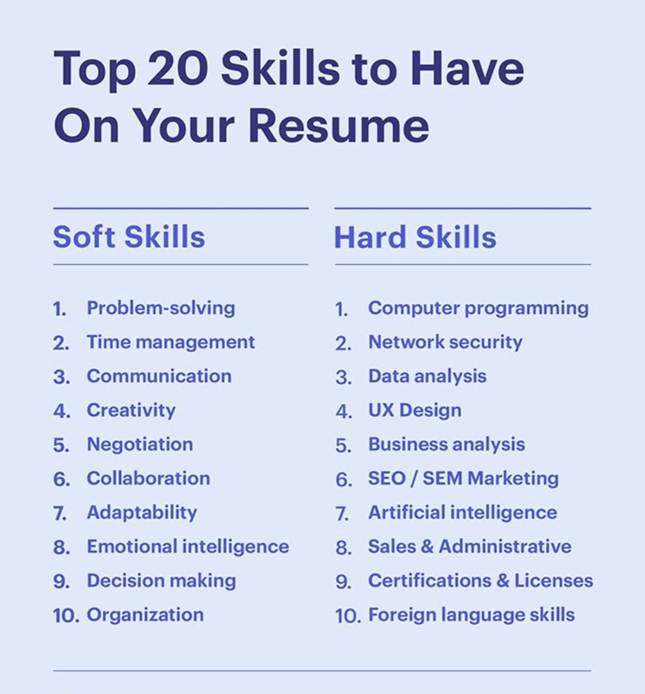
While technology evolves, human skills remain irreplaceable. Employers consistently hire candidates who communicate clearly, think critically, and adapt quickly.
Soft skills employers value most:
- Critical thinking and problem-solving
- Communication and teamwork
- Adaptability and continuous learning
- Emotional intelligence
These skills directly influence your performance at work and help you grow into leadership roles early in your career.
Pro tip:
Soft skills shine during interviews, group discussions, and team collaboration. When technical skills are similar, soft skills often decide who gets hired.
3. Industry-Specific Skills With Strong Job Growth
Not all skills work for every industry. Employers prefer candidates with industry-relevant experience, even at a beginner level.
High-growth areas in 2026:
- Digital marketing and analytics
- Product management and UX basics
- Finance and business analytics
- Healthcare technology
- Sustainability and green energy
How to gain experience:
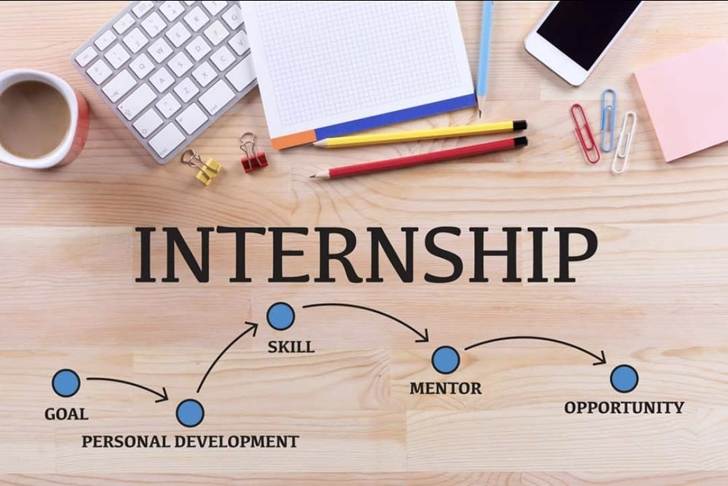
- Apply for internships
- Work on industry-focused projects
- Follow real case studies and tools
Industry alignment dramatically increases your chances of being shortlisted, especially when your learning is supported by practical exposure, mentorship, and guided projects.
4. Skills That Help You Stand Out in Job Applications
This is where many candidates fail not due to lack of skills, but poor presentation.
What employers actually look for:
- A well-structured resume
- Clear keywords aligned with the role
- Practical experience, not generic claims
To get shortlisted by top tech companies:
- Customize your resume for each job application
- Highlight skills with measurable outcomes
- Use simple formatting and clear sections
A strong resume doesn’t list everything it highlights what matters most. Learning platforms like www.learnflu.com emphasize resume-ready projects and interview-oriented preparation, which recruiters value highly.
5. How to Choose the Right Skills for Your Career Path
Learning randomly wastes time. Smart candidates focus on clarity and direction.
Ask yourself:
- What role am I targeting?
- Which skills appear repeatedly in job listings?
- Do these skills match my interests?
Smart selection tips:
- Choose 1–2 core skills first
- Build depth before adding more
- Avoid outdated or low-demand skills
Clear direction leads to faster results and stronger confidence.
6. How to Learn Skills Faster and More Effectively in 2026
Learning isn’t about speed it’s about strategy.
Best ways to learn:
- Choose structured courses with hands-on tasks
- Combine learning with internships
- Build a professional online presence on LinkedIn
- Practice interview preparation alongside learning
- Use networking to learn from real professionals
- Consistency beats intensity. Small daily effort builds strong, lasting skills over time.
Final Conclusion: Turning Skills Into Career Success
In 2026, getting hired won’t depend on how many courses you complete it will depend on how well you apply what you learn.
Employers want candidates with:
- Relevant, in-demand skills
- Practical experience
- Confidence to contribute from day one
When you learn with purpose, build real projects, prepare smartly, and present yourself clearly, your chances of success increase dramatically.
If you’re serious about building job-ready skills with guidance, structure, and real-world relevance, platforms like www.learnflu.com can help you bridge the gap between learning and getting hired.
For more updates and valuable learning resources, visit our website at www.learnflu.com.For more updates and student-friendly content, visit LearnFlu and stay informed.