
Preparing for a competitive exam can feel like stepping into a battlefield. You start with excitement, new books, fresh notes, maybe even enroll in coaching or online training. But after a few weeks, reality hits. Distractions increase. Self-doubt creeps in. Your study plan feels messy. And suddenly, your confidence starts shaking.
If you’ve ever asked yourself:
- “Am I preparing the right way?”
- “Why am I studying so much but not seeing results?”
- “Why does this preparation feel so overwhelming?”
You’re not alone.
In this blog, we’ll break down the real problems students face during competitive exam preparation and more importantly, how you can fix them smartly.

Table of Contents
- Lack of Clear Direction and Strategy
- Poor Time Management During Preparation
- Information Overload and Too Many Resources
- Lack of Consistency and Study Discipline
- Stress, Anxiety, and Mental Pressure
- Weak Conceptual Understanding
- Health Issues and Burnout During Preparation
- Ineffective Revision and Mock Test Strategy
1️⃣ Lack of Clear Direction and Strategy
Many students begin preparation without understanding the full syllabus or exam pattern.
They:
- Study random topics
- Ignore previous year questions
- Focus on low-weightage chapters
Without a roadmap, even hard work becomes ineffective.
Solution:
Start by analyzing:
- The complete syllabus
- Topic weightage
- Previous year question trends
Create a structured plan:
Learn → Practice → Revision → Mock Test → Improve
Clarity saves months of confusion.
2️⃣ Poor Time Management
Do you ever sit for study and end up scrolling your phone?
Time management is one of the biggest challenges in competitive exam preparation.
Common mistakes:
- Unrealistic 12-hour timetables
- No break scheduling
- Spending too much time on easy topics
Smart Tip:
Instead of long hours, focus on:
- 3–5 focused study blocks
- 45–60 minute sessions
- Daily small revision cycles
Consistency beats intensity.
3️⃣ Information Overload
Today, resources are everywhere YouTube, PDFs, apps, coaching notes.
But more material does not mean better preparation.
Students often:
- Follow multiple teachers
- Use too many books
- Keep switching strategies
This creates confusion, not clarity.
What to do instead?
- Choose one trusted source
- Stick to limited study material
- Focus on quality practice
Remember: Depth matters more than quantity.
4️⃣ Lack of Consistency
Motivation is high in the beginning. But after 2–3 weeks, energy drops.
Why?
Because motivation is temporary. Discipline is permanent.
To stay consistent:
- Fix a study time daily
- Track progress weekly
- Reward yourself for small wins
Even 4 focused hours daily for 6 months can outperform 12 distracted hours.
5️⃣ Stress and Anxiety
Competitive exams bring pressure from family, society, and even yourself.
Common stress triggers:
- Fear of failure
- Comparing with others
- Mock test scores
But stress reduces performance.
To manage anxiety:
- Take short breaks
- Exercise regularly
- Avoid constant comparison
- Focus on your personal growth
You are competing with the exam, not with people.

6️⃣Weak Conceptual Foundation
Many students try to memorize instead of truly understanding.
But competitive exams test clarity, not cramming.
Ask yourself:
- Do I understand the concept?
- Can I solve application-based questions?
If not, go back and relearn the basics.
Strong concepts = Faster problem solving + Higher accuracy.
7️⃣ Financial and Resource Limitations
Not everyone can afford expensive coaching programs.
But remember, success doesn’t depend only on money.
Today, you can:
- Use free online training platforms
- Practice from previous year papers
- Join affordable structured programs like learnflu training for guided preparation
Guidance matters but smart self-study matters more.
8️⃣ Health Issues and Burnout
Long study hours without balance lead to:
- Poor sleep
- Headaches
- Low energy
- Burnout
Your brain is your biggest asset.
Protect it by:
- Sleeping 6–8 hours
- Eating healthy
- Taking short daily walks
- Avoiding over-studying
A fresh mind learns faster.
9️⃣ Lack of Proper Guidance
Sometimes students don’t know:
- Which subject to prioritize
- How to analyze mock tests
- How to improve weak areas
That’s where structured coaching or mentorship helps.
The right guidance:
- Saves time
- Improves direction
- Boosts confidence
But choose wisely don’t blindly follow trends.
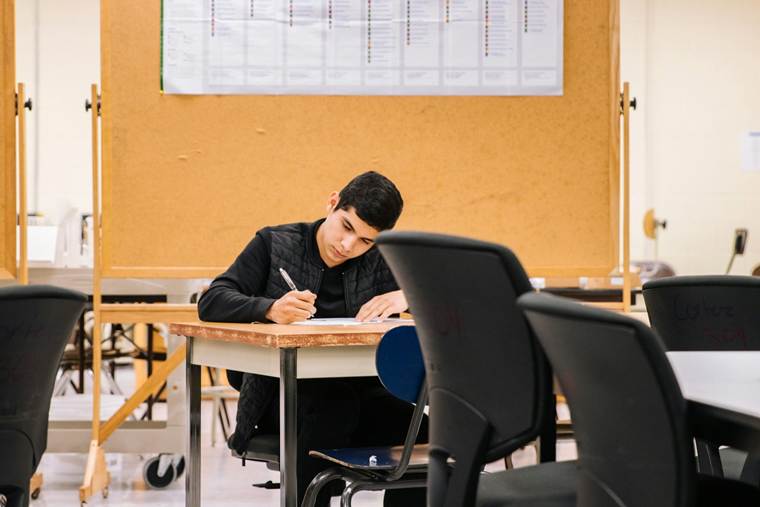
🔟 Ineffective Revision and Mock Test Strategy
Many students study hard but skip proper revision and practice.
Without revision:
- You forget concepts.
Without practice:
- You panic in the exam hall.
Without mock analysis:
- You repeat the same mistakes.
Follow this simple rule:
- Weekly revision
- 2–3 mock tests per week (closer to exam)
- Analyze mistakes carefully
Improvement comes from correction, not repetition.
Final Thoughts: You Are Not Behind
Competitive exam preparation is tough but it is not impossible.
Every topper you see once faced:
- Confusion
- Low scores
- Self-doubt
- Stress
The difference?
They didn’t quit.
Instead of asking:
“Why is this so hard?”
Ask:
“How can I prepare smarter?”
Stay consistent. Focus on clear concepts. Practice daily. Revise regularly. Take care of your health. Seek proper guidance when needed.
Your journey may feel slow today but every focused study session is building your future.
And remember:
Success in a competitive exam is not about being the smartest.
It’s about being the most consistent.
Frequently Asked Questions (FAQ)
1️⃣ How many hours should I study daily for competitive exam preparation?
There is no magic number. Instead of focusing on 10–12 hours, aim for 4–6 highly focused study hours daily. Quality matters more than quantity. Structured study, regular revision, and consistent practice are more important than long, distracted sessions.
2️⃣ How can I stay consistent during competitive exam preparation?
Consistency comes from discipline, not motivation.
To stay on track:
- Create a realistic timetable
- Set small weekly goals
- Track your progress
- Avoid comparing yourself with others
Even small daily improvement in your competitive exam preparation creates big results over time.
3️⃣ Is coaching necessary to crack a competitive exam?
Not always. Many students succeed through self-study. However, structured coaching or professional training can help if:
- You struggle with direction
- You need mentorship
- You want organized study material
Choose guidance wisely and combine it with strong self-discipline.
4️⃣ How important is revision in competitive exam preparation?
Revision is extremely important. Without revision, you forget what you learn.
A good strategy is:
- Daily quick revision (15–20 minutes)
- Weekly full-topic revision
- Monthly cumulative revision
Revision strengthens memory and improves confidence during the exam.
5️⃣ How many mock tests should I take before the exam?
Start with 1 mock test per week during early preparation.
As the exam approaches, increase it to 2–3 per week.
But remember analysis is more important than attempting.
Review your mistakes, identify weak areas, and improve your practice strategy.
6️⃣ How can I reduce stress during preparation?
To manage stress:
- Sleep at least 6–8 hours
- Exercise or walk daily
- Take short breaks
- Avoid constant comparison
Competitive exam preparation is a long journey. A calm and healthy mind performs better than a stressed one.
7️⃣ What is the biggest mistake students make during preparation?
The biggest mistake is studying without a clear plan. Random study without structured practice and revision wastes time. Always follow a system:
Learn → Practice → Revise → Test → Improve
Top of Form
Bottom of Form
For more updates and valuable learning resources, visit our website at www.learnflu.com.For more updates and student-friendly content, visit LearnFlu and stay informed.