
Online learning in 2026 is smarter, faster, and more accessible than ever before. Yet many learners still feel overwhelmed.
Have you ever enrolled in a course with excitement… only to lose momentum after a few weeks?
You’re not alone.
The truth is, online learning isn’t difficult because content is complex. It becomes difficult when there’s no strategy behind it. When you shift from passive consumption to intentional learning, everything changes.
This complete guide will show you how to simplify your learning journey, build practical skills, gain real experience, strengthen your resume, and confidently prepare for your next job application whether you’re targeting startups or top tech companies.
Let’s break it down step by step.

Table of Contents
- Understanding the New Reality of Online Learning in 2026
- Creating a Productive Online Study Environment
- Using Technology to Learn Smarter, Not Harder
- Building Strong Focus and Self-Discipline
- Improving Engagement and Participation
- Strengthening Skills Beyond the Screen
- Maintaining Mental and Physical Well-Being
- Measuring Progress and Staying Future-Ready
1. Understanding the New Reality of Online Learning in 2026
Online education today is outcome-driven. Employers no longer care about how many courses you completed. They care about:
- What problems can you solve?
- What measurable achievements can you demonstrate?
- What real-world skills have you mastered?
Modern learning must translate into portfolio-ready projects and career-ready confidence. If your course doesn’t help improve your resume or strengthen your interview preparation, it may not be aligned with your goals.
In 2026, learning is about proof not promises.
2. Creating a Productive Online Study Environment
Your environment shapes your results.
If you study where you scroll social media, your brain associates that space with distraction. Small changes make a big difference.
Create a Focus Zone
- Dedicated desk or corner
- Minimal distractions
- Clean, organized setup
Follow Structured Time Blocks
Use 45–60 minute deep work sessions followed by short breaks. This improves retention and prevents burnout. Set Weekly Outcome Goals Instead of saying: “I’ll complete 5 modules.”
Say:
“I’ll build one small project using what I learned.”
That shift builds practical experience not just theoretical knowledge.
3. Using Technology to Learn Smarter, Not Harder
Technology is your advantage if used wisely.
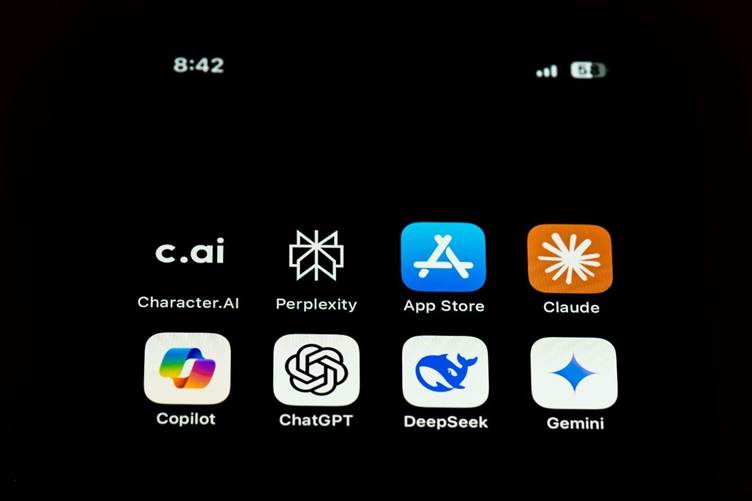
Leverage AI Tools
AI can:
- Summarize concepts
- Generate practice questions
- Help revise faster
- Provide mock interview preparation
Track Progress Digitally
Use digital planners or project boards to monitor:
- Skills learned
- Projects completed
- Certifications earned
Focus on Industry-Relevant Learning
Structured platforms like learnflu, learnflucourse, and learnfluinternship emphasize skill-based learning that aligns with industry needs. These programs help bridge the gap between theory and real-world application.
The goal isn’t to consume more content. It’s to apply what you learn faster.
4. Building Strong Focus and Self-Discipline
Discipline beats motivation.
You won’t feel inspired every day. That’s normal.
Here’s how to stay consistent:
- Study at the same time daily
- Remove notifications during sessions
- Break complex topics into micro-tasks
- Reward progress, not perfection
Remember, consistency builds experience. Experience builds confidence. Confidence improves performance in job applications and interviews.
5. Improving Engagement and Participation
Passive watching leads to passive understanding.
Active learners:
- Take structured notes
- Ask questions in forums
- Join study communities
- Teach concepts to others
Participation also builds networking opportunities. A strong professional online presence increases visibility and opens doors to career growth.
Learning becomes easier when you’re not learning alone.
6. Strengthening Skills Beyond the Screen
Courses give knowledge.
Projects build credibility.
After completing a module, ask:
- Can I build something with this?
- Can I solve a real problem?
- Can I document this as a project?
Turn learning into:
- Portfolio pieces
- Resume-ready achievements
- Case studies for interview discussions
When recruiters see measurable achievements, your chances of getting shortlisted increase significantly.
7. Maintaining Mental and Physical Well-Being
Burnout is the silent productivity killer.
To avoid it:
- Take regular screen breaks
- Exercise at least 20–30 minutes daily
- Sleep consistently
- Avoid overloading yourself with too many courses
Online learning becomes easier when your mind is clear and energized.
Remember progress is a marathon, not a sprint.
8. Measuring Progress and Staying Future-Ready
Don’t measure success by hours studied. Measure it by growth.
Track:
- New skills mastered
- Projects completed
- Resume improvements
- Interview confidence level
Regular resume updates improve formatting and ensure your keywords match industry requirements. Small adjustments increase the likelihood of getting shortlisted.
Future-ready learners continuously adapt. They refine skills, update portfolios, improve their online presence, and strengthen networking connections.
That’s how momentum is built.
Final Thoughts
Online learning in 2026 doesn’t have to feel overwhelming.
When you:
- Focus on practical skills
- Build real-world experience
- Track measurable achievements
- Prepare strategically for job applications
- Align learning with career goals
It becomes powerful not stressful.
You don’t need more courses. You need a smarter system.
Design your learning intentionally. Apply consistently. Improve continuously.
And watch how easier and more rewarding online learning becomes.
Frequently Asked Questions (FAQs)
- How can I make online learning easier in 2026?
Online learning becomes easier when you shift from passive watching to active implementation. Focus on building practical skills, completing real-world projects, and tracking measurable achievements. A structured study plan, consistent routine, and progress tracking system can significantly improve results.
- How does online learning help improve my resume?
Online learning strengthens your resume when it showcases real experience, not just course certificates. Add projects, tools used, results achieved, and industry-relevant keywords. Proper formatting and targeted customization for each job application increase your chances of getting shortlisted.
- What skills are most valuable for top tech companies?
Top tech companies value problem-solving, technical expertise, communication, and adaptability. Beyond certifications, they look for proof of applied skills through projects, internships, and measurable outcomes. Strong interview preparation and confidence in explaining your experience also play a crucial role.
- How can I stay consistent with online courses?
Consistency comes from structure, not motivation. Set fixed study hours, break lessons into smaller tasks, and apply concepts immediately. Tracking weekly goals and celebrating small wins helps maintain long-term momentum.
- Does networking really matter in online learning?
Yes. Networking increases visibility and career opportunities. Engaging in professional communities, building an online presence, and sharing projects can lead to referrals, collaborations, and interview opportunities.
- How can I convert online learning into a job opportunity?
To turn learning into career results:
- Build a strong portfolio
- Highlight measurable achievementsTailor each job applicationPractice structured interview preparation
- Participate in practical programs like learnflu, learnflucourse, or learnfluinternship
These steps help bridge the gap between learning and employment.
- How important is resume customization for getting shortlisted?
Very important. Generic resumes often get filtered out. Use relevant keywords from the job description, highlight matching skills, and adjust formatting to make your resume clear and impactful.
Small customization efforts can significantly increase your chances of being shortlisted.
- Is online learning still worth it in 2026?
Absolutely when approached strategically. Online learning offers flexibility, industry-relevant skill development, and direct alignment with career growth. When combined with practical experience and strong positioning, it becomes a powerful tool for long-term success.