
Applying for jobs can be overwhelming, especially when you submit multiple applications and don’t receive any response. If you’ve been wondering why your resume isn’t getting shortlisted by
tech companies, you’re not alone. Many capable candidates face the same issue not because they lack talent, but because they don’t fully understand how the shortlisting process works.
Today, every job application goes through a structured system. Companies look beyond degrees and titles and focus more on skills, experience, and real achievements. Even small details like resume formatting, the right keywords, and proper customization can decide whether your resume is seen or skipped. This blog explains the complete process in a simple, friendly way so you can improve your chances with confidence.
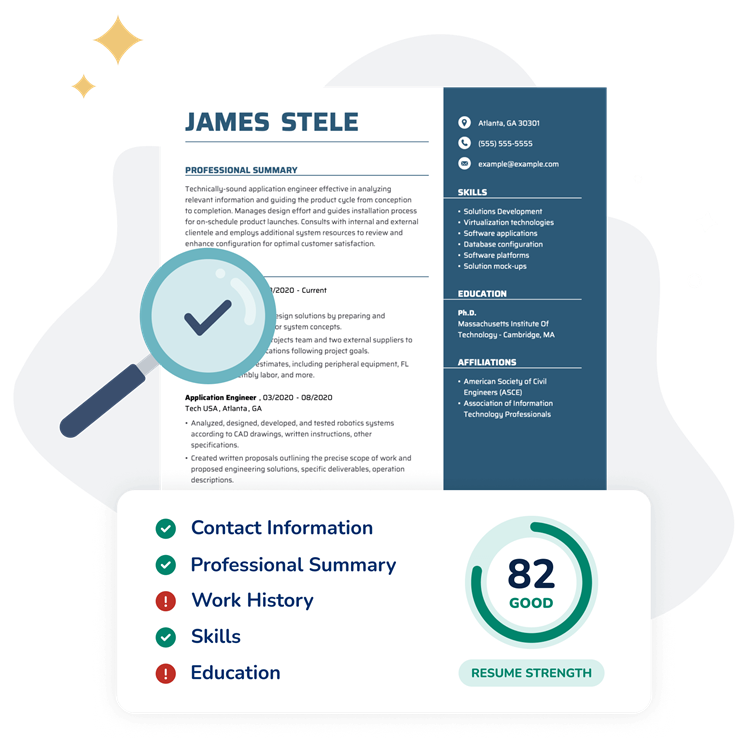
Table of Contents
- Introduction
- How Resume Screening Works in Companies
- What Recruiters Look for When Shortlisting Resumes
- Why Resume Formatting and Keywords Matter
- How Skills, Experience, and Achievements Are Evaluated
- Common Resume Mistakes That Reduce Shortlisting Chances
- How to Improve Your Resume for Companies
- The Role of Networking and Online Presence
- Why Interview Preparation Matters Even Before Shortlisting
- Conclusion
How Resume Screening Works in Companies
When you apply for a role, your resume doesn’t go directly to a recruiter. It first passes through technology designed to handle large numbers of applications efficiently.
Most companies use Applicant Tracking Systems to filter resumes. These systems scan for job related keywords, relevant skills, and clean formatting. If your resume doesn’t match the basic criteria, it may be rejected automatically. This is why using the correct keywords and a simple structure is so important.
After passing this stage, a recruiter reviews your resume quickly. They usually spend only a few seconds checking whether your experience matches the role, whether your skills align with the requirements, and whether your achievements show real impact. Resumes that clearly match the role move forward and get shortlisted.
What Recruiters Look for When Shortlisting Resumes
Recruiters focus on clarity and relevance. They want to understand your value quickly without guessing.
They usually look for:
- Skills that match the job description
- Practical and recent experience
- Clear achievements that show results
- Logical career progression
A resume that clearly answers “Why is this person right for this role?” has a much higher chance of being shortlisted.

Why Resume Formatting and Keywords Matter So Much
Resume formatting plays a bigger role than many candidates realize. Poor formatting can make even strong resumes hard to read for both systems and humans.
Simple layouts with clear headings, standard fonts, and bullet points work best. Complex designs, graphics, and tables can reduce readability and confuse screening systems.
Keywords are equally important. These words come from the job description and represent skills, tools, and responsibilities. When your resume includes relevant keywords naturally, it becomes easier for systems and recruiters to identify your profile as a match.
How Skills, Experience, and Achievements Are Evaluated
Listing skills alone is not enough. Recruiters want to see how you used those skills in real situations.
Experience is evaluated based on relevance, not just years. A candidate with focused experience in the required area often performs better than someone with unrelated experience.
Achievements make a big difference. Showing outcomes such as improvements, efficiency gains, or successful projects helps recruiters understand your impact and potential.
Common Resume Mistakes That Reduce Shortlisting Chances
Many resumes are rejected due to avoidable mistakes.
Common reasons include:
- Using the same resume for every job without customization
- Missing important keywords from the job description
- Poor formatting or unclear structure
- Listing too many skills without proof
- Not explaining gaps or transitions in experience
Most rejections happen due to lack of alignment, not lack of ability.
How to Improve Your Resume for Companies
Improving your resume doesn’t require rewriting everything. Small, focused changes help a lot.
Helpful tips include:
- Customize your resume for each job application
- Highlight the most relevant skills and experience at the top
- Focus more on achievements than responsibilities
- Keep content simple, clear, and easy to scan
Customization shows effort and increases trust with recruiters.
The Role of Networking and Online Presence
Your resume works best when supported by a strong online presence. Recruiters often check professional profiles to verify information and understand your background better.
Networking also plays an important role. Referrals can help your resume get noticed faster, especially in large companies where applications are high.
Maintaining a consistent, professional image across platforms increases credibility and improves shortlisting chances.

Why Interview Preparation Still Matters at the Resume Stage
Even during resume shortlisting, recruiters prefer candidates who appear ready for the next step. Clear experience descriptions, confident summaries, and consistent information suggest good interview preparation.
Being prepared early helps you move smoothly from shortlisting to interviews when the opportunity comes.
Conclusion
Getting your resume shortlisted in companies is a process you can influence. By understanding how screening works and focusing on formatting, keywords, skills, experience, and achievements, you make your resume easier to trust and easier to select.
Add thoughtful customization, build a professional online presence, stay active in networking, and keep improving your interview preparation. When these elements come together, your resume becomes more than a document it becomes a strong first impression that opens doors.