
If you’re an Electronics and Communication Engineering (ECE) student, let’s be honest you’ve probably felt confused at least once about your future. While everyone around you talks about coding, software jobs, or trending technologies, you might be wondering, “Where does ECE fit into all this?”
That confusion is completely normal.
ECE is one of those branches that quietly supports almost every modern technology, yet its career path isn’t always explained clearly. The result? Students start doubting their choice not because ECE lacks scope, but because they lack clear direction.
The reality is simple: ECE has a strong future, but only for students who understand how the field is changing and prepare accordingly. This blog is written to help you do exactly that without hype, without fear, and without technical overload.
Table of Contents
- How the ECE Industry Is Changing
- Technologies That Are Creating New Opportunities
- Career Options Opening Up for ECE Students
- Skills That Matter More Than Marks
- Why Internships Make a Real Difference
- Building a Resume That Actually Gets Noticed
- Simple Career Preparation Tips for ECE Students
- Final Thoughts on the Future of ECE
1. How the ECE Industry Is Changing
ECE is no longer limited to traditional roles or textbook-based learning. Today, electronics and communication systems are deeply woven into everyday life from smartphones and Wi-Fi networks to smart homes and industrial automation.
What’s changing the industry?
- Rapid digital transformation across all sectors
- Demand for engineers who understand systems, not just components
- Growing focus on automation, connectivity, and intelligent devices
- Hiring processes that prioritize skills and experience over marks
Earlier, students waited until final year to think about jobs. Now, career preparation starts much earlier. Companies expect ECE students to understand how things work in real life, not just how to write answers in exams.
2. Technologies That Are Creating New Opportunities
You might hear about many “future technologies,” but you don’t need to chase everything. What matters is knowing where ECE fundamentals are actually being used.
Some fast-growing areas include:
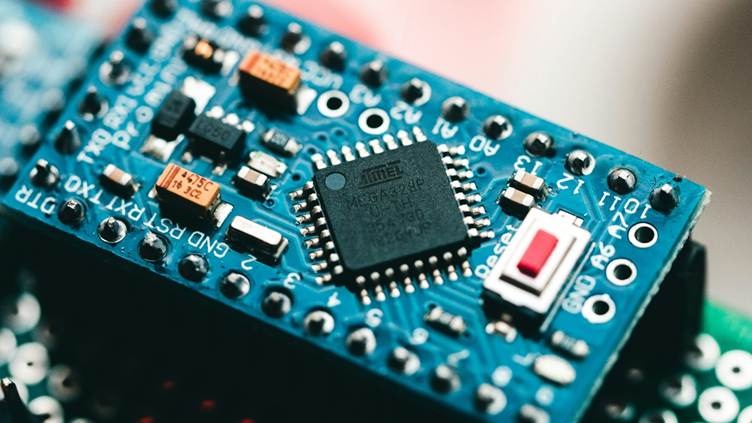
- Embedded systems powering everyday devices
- Wireless communication and networking technologies
- Electronics behind automation and smart infrastructure
- Semiconductor and hardware-oriented domains
These technologies aren’t replacing ECE they’re built on it. The students who benefit most are those who combine fundamentals with hands-on learning instead of waiting for perfect clarity.
3. Career Options Opening Up for ECE Students
One big myth is that ECE limits your career options. In reality, it gives you flexibility if you use it well.
ECE graduates can move into:
- Core electronics and communication roles
- Hybrid roles involving hardware understanding and software tools
- Testing, support, and system integration positions
- Research, development, and innovation-focused careers
Many ECE students also transition into IT or software roles because the branch develops strong logical thinking. The degree doesn’t block you your preparation decides your direction.

4. Skills That Matter More Than Marks
Marks still matter but they’re no longer the deciding factor.
What really separates students is:
- Strong understanding of basic concepts
- Ability to apply theory through projects
- Practical skills relevant to chosen domains
- Confidence in explaining what you’ve learned
Even students with average academic performance often do well when they focus on learning skills early. Consistency beats last-minute effort every time.
5. Why Internships Make a Real Difference
If there’s one thing that can change your ECE journey completely, it’s internships.
Internships help you:
- Experience how engineering works outside college
- Understand expectations of real jobs
- Gain clarity about what you enjoy and what you don’t
- Strengthen your resume with real experience
Even short internships matter when you learn actively. Platforms like learnflu focus on practical exposure and structured learning, which helps students bridge the gap between theory and industry needs.
6. Building a Resume That Actually Gets Noticed
Many ECE students apply for jobs but never hear back. Often, the problem isn’t their ability it’s their resume.
A good resume should:
- Clearly highlight skills relevant to the role
- Showcase projects and internships properly
- Use simple, clean formatting
- Focus on learning outcomes and achievements
Recruiters spend only a few seconds scanning resumes. A clear, focused resume improves your chances of getting shortlisted far more than adding unnecessary details.
7. Simple Career Preparation Tips for ECE Students
You don’t need extreme discipline or unrealistic routines. What works is smart planning.
Here’s a practical approach:
- Focus on understanding subjects, not memorizing
- Start skill-building alongside college semesters
- Do internships or projects whenever possible
- Build a basic online presence to showcase learning
- Prepare for interviews slowly and consistently
Small steps taken early reduce stress and build confidence over time.

8. Final Thoughts on the Future of ECE
So, what’s the real future of ECE?
It’s strong but it’s not automatic.
The coming years will reward students who:
- Adapt to industry changes
- Focus on practical learning
- Stay curious and open to new opportunities
- Take responsibility for their growth
ECE gives you a powerful foundation. What you build on top of it skills, experience, and mindset is what truly shapes your career.
If you start early and stay consistent, ECE can offer far more opportunities than you might expect today.
For more student-focused learning resources and career insights, visit www.learnflu.com and stay future-ready.