
Choosing between Civil Engineering and Mechanical Engineering can feel like standing at a crossroads with too many opinions coming at you from every direction. Friends say one thing. Family suggests another. The internet? Completely divided. If you’re feeling confused, don’t worry you’re asking the right questions at the right time.
This decision isn’t about picking the “best” branch. It’s about choosing the one that fits your interests, strengths, and long-term goals. Both Civil and Mechanical Engineering offer solid careers, strong respect, and real-world impact but in very different ways.
Let’s break it all down clearly, honestly, and without unnecessary technical jargon.
Table of Contents
- Why Choosing Between Civil & Mechanical Engineering Feels So Confusing
- What Civil Engineering Really Looks Like in the Real World
- What Mechanical Engineering Is All About (Beyond Machines)
- Skills You Actually Build in Civil & Mechanical Engineering Programs
- Learning Experience: Classrooms, Labs, and Hands-On Exposure
- Career Opportunities After Civil & Mechanical Engineering
- How Each Engineering Path Shapes Your Resume and Job Readiness
- Factors to Consider Before Making Your Final Decision
- Making the Right Choice for Your Long-Term Career Goals
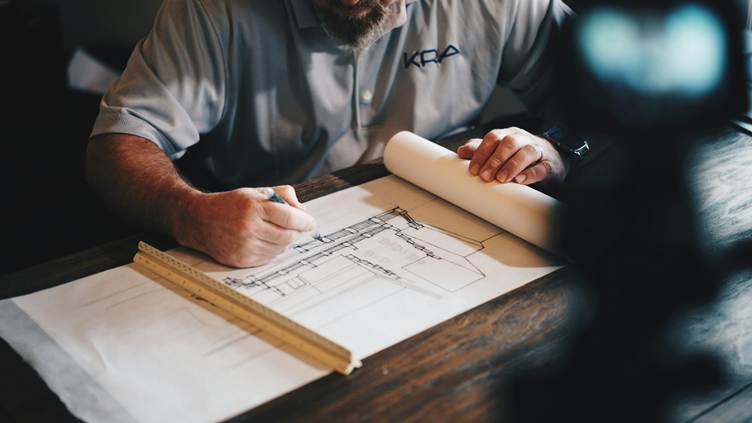
1. Why Choosing Between Civil & Mechanical Engineering Feels So Confusing
The confusion usually comes from one simple reason: both options sound equally promising. Civil Engineering talks about building cities and infrastructure. Mechanical Engineering focuses on machines, systems, and innovation. On paper, both look stable, respected, and future-proof.
What often gets missed is how different the day-to-day work, skills, and career paths really are. Without understanding this early, students end up doubting their choice later especially when it’s time for internships, projects, or even a job application.
2. What Civil Engineering Really Looks Like in the Real World
Civil Engineering is about creating and maintaining the physical world around us. Roads you travel on, buildings you live in, bridges you cross all of it comes from civil engineers turning ideas into reality.
In a Civil Engineering program, you’ll typically work on:
- Structural design and construction planning
- Materials, soil, and environmental studies
- Site management and safety
- Large-scale infrastructure projects
If you enjoy:
- Seeing tangible results
- Working on outdoor or site-based projects
- Managing real-world construction challenges
…then Civil Engineering can be deeply satisfying. Over time, this hands-on experience strengthens your practical knowledge and adds strong value to your resume.
3. What Mechanical Engineering Is All About (Beyond Machines)
Mechanical Engineering goes deeper into how things work. It’s not just about machines it’s about problem-solving, innovation, and system design across industries.
A Mechanical Engineering program helps you build expertise in:
- Machine design and manufacturing processes
- Thermodynamics and energy systems
- Robotics, automation, and maintenance
- Analytical thinking and technical troubleshooting
If you like:
- Understanding mechanisms and systems
- Designing, testing, and improving products
- Working across different industries
…Mechanical Engineering offers flexibility and variety. The broad skills you gain often make mechanical engineers adaptable and competitive during interview preparation and hiring processes.
4. Skills You Actually Build in Civil & Mechanical Engineering Programs
No matter which path you choose, engineering programs focus heavily on skill development but the type of skills differs.
Civil Engineering Skills
- Project planning and execution
- Structural analysis
- Team coordination and site management
- Real-world problem-solving
Mechanical Engineering Skills
- Design and analytical thinking
- System optimization
- Technical tool usage and simulations
- Innovation-focused problem-solving
These skills, combined with internships and projects, play a huge role in whether your profile gets shortlisted later.
5. Learning Experience: Classrooms, Labs, and Hands-On Exposure
Engineering isn’t just about theory it’s about application.
- Civil students often experience site visits, surveys, and real construction environments
- Mechanical students spend significant time in labs, workshops, and simulations
Platforms like learnflu and learnfluinternship can further strengthen learning by offering structured exposure, guided projects, and industry-aligned training helping bridge the gap between academics and real-world expectations.
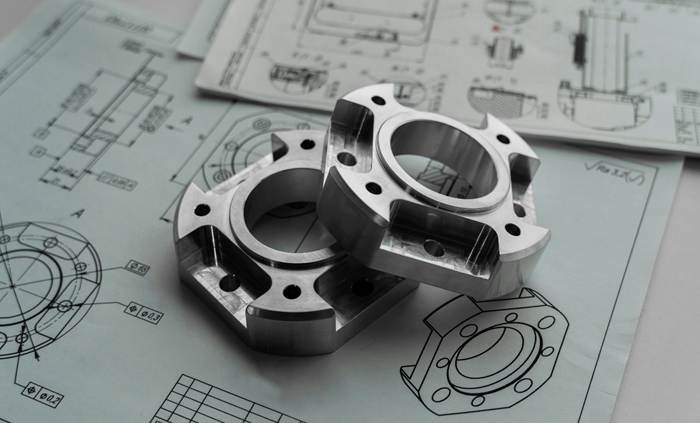
6. Career Opportunities After Civil & Mechanical Engineering
Both branches open doors to strong careers, but in different spaces.
Civil Engineering Careers
- Site Engineer
- Structural Engineer
- Project Manager
- Government and infrastructure roles
Mechanical Engineering Careers
- Design Engineer
- Maintenance Engineer
- Manufacturing Engineer
- Roles in automotive, energy, and technology sectors
With the right mix of experience, internships, and continuous learning, both paths can lead to long-term growth.
7. How Each Engineering Path Shapes Your Resume and Job Readiness
Your engineering branch influences how you build your resume, but success depends on how well you present your profile.
What truly matters:
- Relevant projects
- Practical exposure
- Clear formatting and role-specific keywords
- Customization for each job application
Students who focus early on structured learning, internships, and skill-building stand out faster especially when targeting competitive roles or top tech companies.
8. Factors to Consider Before Making Your Final Decision
Before choosing, ask yourself honestly:
- Do I enjoy outdoor, large-scale projects or technical systems and design?
- Am I more interested in infrastructure or machines?
- What kind of work environment excites me long-term?
Also consider:
- Industry demand in your region
- Willingness to continuously upskill
- Long-term career flexibility
There’s no wrong choice only the right fit.

9. Making the Right Choice for Your Long-Term Career Goals
At the end of the day, both Civil and Mechanical Engineering can lead to rewarding careers if you commit fully to the path you choose. Focus on building strong fundamentals, gaining practical experience, and improving your professional readiness through smart learning and networking.
The clearer you are today, the more confident you’ll feel tomorrow whether it’s preparing your resume, attending interviews, or stepping into the professional world.
Choose wisely. Build intentionally. Your future engineer self will thank you.
Your career is not about competing with others it’s about becoming a stronger version of yourself, one decision at a time.
For more student-focused learning resources and career insights, visit www.learnflu.com and stay future-ready.