
Computer science is no longer just about writing code it’s about choosing the right direction at the right time. As we move closer to 2026, many computer science students find themselves asking important questions: Which career paths will still be relevant? What skills will actually help me get hired? And how do I stand out when so many candidates look the same on paper?
If you’ve ever felt confused while exploring career options or preparing a job application, you’re not alone. The tech industry is expanding rapidly, but competition is growing just as fast. Completing a degree or a single course is no longer enough. Employers now expect a strong mix of practical skills, hands-on experience, and the ability to solve real-world problems.
This blog is designed to give you clarity. Whether your goal is to work with top tech companies, choose the right internship, or get confidently shortlisted, understanding the career landscape early can save you time, stress, and missed opportunities. Let’s explore where the tech world is heading and how you can prepare for it.

Understanding the 2026 Tech Job Landscape
Table of Contents
- Why 2026 Is a Turning Point for Tech Careers
- How Technology Trends Are Reshaping Job Roles
- The Growing Importance of Skills Over Degrees
- What Employers Really Look for in Fresh Talent
- How Competition Has Changed for CS Students
- The Role of Experience and Internships in Hiring
- Why Early Career Planning Makes a Big Difference
The tech job market in 2026 isn’t just evolving it’s resetting expectations. If you’re a computer science student, it’s normal to feel unsure about where you fit in this fast-changing world. You might be thinking: Am I learning the right things? Are my skills relevant? Why do others seem more confident about their careers?
The truth is, confidence comes from understanding how the industry actually works.
Why 2026 Is a Turning Point for Tech Careers
Technology is now at the core of almost every industry. From healthcare and finance to education and entertainment, software-driven solutions are everywhere. This shift has created:
- More tech roles across non-tech industries
- Faster, skill-based hiring processes
- Higher expectations from fresh graduates
Opportunities are growing but only for those who prepare strategically.
How Technology Trends Are Reshaping Job Roles
Tech roles are no longer rigid. One job title can require multiple skill sets, and responsibilities often overlap. Instead of focusing on labels, companies value:
- Problem-solving ability
- Adaptability to new tools
- Strong fundamentals
This means you’re not preparing for one fixed job you’re preparing for continuous growth.
The Growing Importance of Skills Over Degrees
A degree gives you a foundation, but skills decide employability. Employers want proof that you can apply what you’ve learned. They ask:
- Have you worked on real projects or an internship?
- Can you explain your approach to solving a problem?
- Do you understand how systems work in practice?
Practical experience combined with strong fundamentals makes your profile stand out.
What Employers Really Look for in Fresh Talent
When reviewing a job application, recruiters look beyond marks and certifications. They want candidates who show:
- Clear thinking and structured problem-solving
- Willingness to learn and accept feedback
- Basic communication and teamwork skills
Technical knowledge matters, but mindset often determines who moves forward.
How Competition Has Changed for CS Students
Competition today is global. You’re competing with:
- Students from other universities
- Self-taught learners
- Candidates with strong project portfolios
To get shortlisted, your profile must be focused. Random skills don’t help relevance does.
The Role of Experience and Internships in Hiring
An internship is no longer optional; it’s a strong signal of readiness. It helps you:
- Understand workplace expectations
- Apply theory to real problems
- Build confidence before full-time roles
Even small, meaningful experiences can significantly improve your chances.
Why Early Career Planning Makes a Big Difference
Students who plan early avoid last-minute panic. Early awareness helps you:
- Choose the right learning path
- Avoid wasting time on irrelevant skills
- Build confidence step by step
Instead of rushing in your final year, you move forward with clarity and purpose.
Best Career Options for Computer Science Students in 2026
1. Artificial Intelligence and Machine Learning Engineer
AI continues to transform industries, from healthcare to finance.
Why it’s promising:
- High demand across sectors
- Strong long-term growth
- Impact-driven work
Key focus areas: Python, data analysis, machine learning fundamentals.
2. Cybersecurity Specialist
As digital systems grow, so do security threats.
Why it’s promising:
- Critical need across all industries
- Stable, high-value roles
- Growing awareness of data protection
Key focus areas: Network security, ethical hacking, risk analysis.
3. Cloud Engineer and DevOps Professional
Cloud computing powers modern applications and services.
Why it’s promising:
- Widespread adoption by companies
- Strong demand for automation skills
- Clear career growth paths
Key focus areas: Cloud platforms, system design, automation.
4. Data Scientist and Analyst
Data-driven decision-making is now essential for businesses.
Why it’s promising:
- High relevance across domains
- Blend of technical and analytical thinking
- Strong career flexibility
Key focus areas: Statistics, data visualization, problem-solving.
5. Full-Stack Software Developer
A versatile role that remains evergreen.
Why it’s promising:
- High demand across startups and enterprises
- Opportunities to build end-to-end systems
- Strong freelance and remote options
Key focus areas: Frontend, backend, databases, fundamentals.
6. Emerging and Specialized Roles
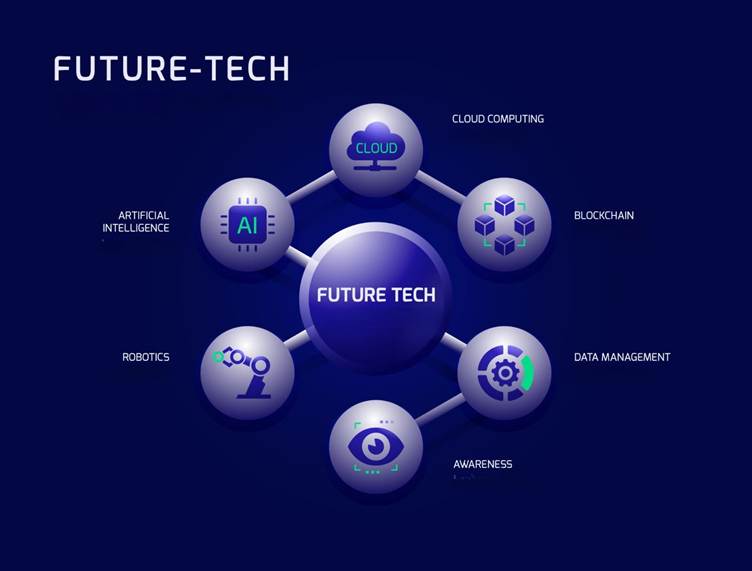
Fields like blockchain, IoT, AR/VR, and robotics are growing steadily.
Why they’re promising:
- Less crowded talent pools
- Innovation-driven work
- Long-term potential
Key focus areas: Strong fundamentals + domain-specific learning.

How to Prepare for These Careers
To improve your chances of success:
- Choose learning paths that build real skills
- Gain hands-on experience through projects and internships
- Build focused profiles instead of scattered ones
- Learn how hiring works and tailor your preparation
Preparation is not about doing more it’s about doing what matters.
Conclusion: Turning Awareness into Opportunity
The tech job landscape of 2026 may seem complex, but once you understand it, it becomes far more manageable and exciting. Success in tech today isn’t about chasing every trend. It’s about building relevant skills, gaining practical experience, and making informed decisions at the right time.
Start early. Use internships, projects, and learning platforms wisely. Every step you take now strengthens your future job application and improves your chances of getting shortlisted.
The tech industry doesn’t reward perfection it rewards preparation, clarity, and adaptability. When you plan with purpose and stay curious, you’re not just preparing for your first job you’re building a career that can grow with the future.
For more updates and valuable learning resources, visit our website at www.learnflu.com.For more updates and student-friendly content, visit LearnFlu and stay informed.